
Types of Wood for Carvings
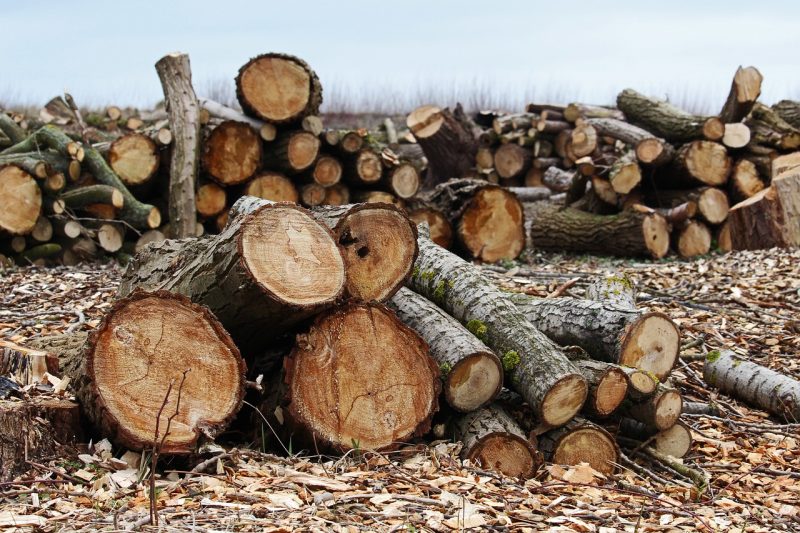
Wood carving is an ancient and revered art form, and choosing the right type of wood is crucial for achieving the desired results. When carving wind spirits and animals, it’s important to select wood that not only lends itself well to detailed carving but also complements the look and functional requirements of the piece. In this article, we’ll explore some of the best types of wood for carving and the reasons why they are suited for creating intricate sculptures.
1. Basswood
Characteristics:
-
- Texture: Fine, even grain
-
- Hardness: Softwood
-
- Color: Pale, almost white
Why It’s Ideal:
Basswood is a favorite among woodcarvers, especially beginners, due to its softness and fine grain. It’s easy to carve, allowing for intricate details without much resistance. The wood’s uniform texture ensures smooth cuts and minimal splintering, making it perfect for detailed work such as carving wind spirits with flowing lines or the delicate features of animals. Additionally, basswood is relatively inexpensive and widely available.
2. Butternut
Characteristics:
-
- Texture: Coarse grain
-
- Hardness: Softwood
-
- Color: Light to medium brown
Why It’s Ideal:
Butternut, often referred to as “white walnut,” is another excellent choice for woodcarving. It’s slightly harder than basswood but still soft enough to work with hand tools. Butternut’s coarse grain can add a natural texture to animal fur or feathers, enhancing the realism of the sculpture. Its warm, rich color also adds a natural beauty to the finished piece, often eliminating the need for additional staining.
3. Cedar
Characteristics:
- Texture: Straight, even grain
- Hardness: Softwood
- Color: Reddish-brown to yellowish-red
Why It’s Ideal:
Cedar is known for its aromatic properties and resistance to decay, making it an excellent choice for outdoor carvings. Its softness allows for easy carving, and the straight grain helps in achieving smooth, clean cuts. Cedar’s natural resistance to moisture and insects makes it ideal for sculptures that will be exposed to the elements. The wood’s beautiful color and pleasant scent add an extra layer of appeal to the finished piece.
4. Pine
Characteristics:
- Texture: Straight, often knotty grain
- Hardness: Softwood
- Color: Pale yellow to light brown
Why It’s Ideal:
Pine is readily available and affordable, making it a popular choice for woodcarvers. Its softness makes it easy to work with, though it’s important to be mindful of the knots, which can be harder to carve through. Pine’s light color takes stain well, allowing for various finishing options. While not as durable as some hardwoods, pine is suitable for indoor carvings and detailed work.
Conclusion
Choosing the right type of wood is essential for creating beautiful and lasting wood carvings. Each type of wood offers unique characteristics that can enhance the carving process and the final product. Basswood and butternut are excellent for beginners due to their softness and ease of carving, while cedar and pine provide both the workability and durability needed for a variety of projects. Cedar’s natural resistance to decay makes it ideal for outdoor carvings, and pine’s availability and versatility make it a staple for many carvers.